Pretty Wild
Prairie Pussytoes (Antennaria neglecta)
Prairie Pussytoes (Antennaria neglecta)
Couldn't load pickup availability
Share
Prairie Pussytoes (Antennaria neglecta)
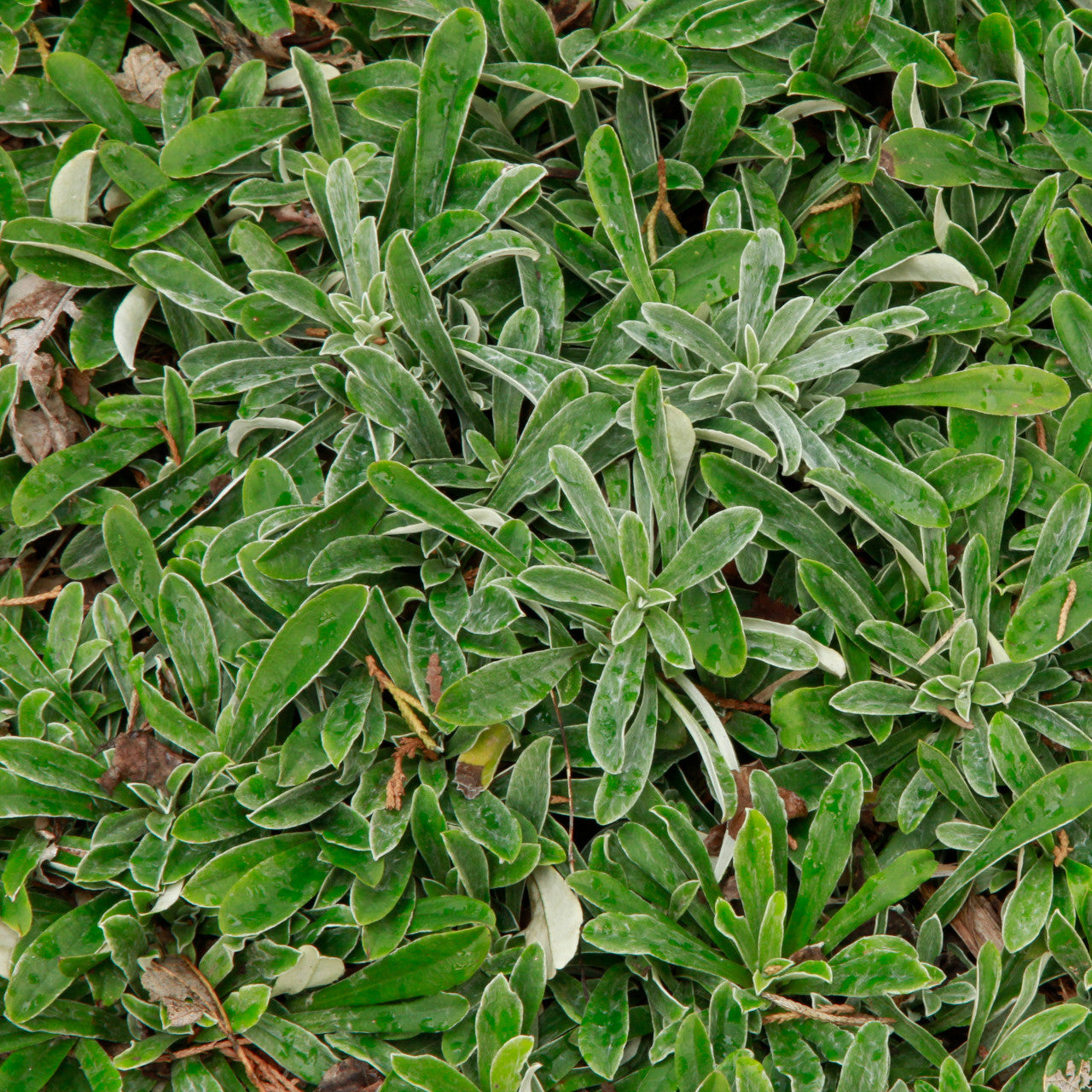
Prairie Pussytoes is one of those plants people don’t realize they’re missing until they grow it. Low, silvery, and quietly spreading, it forms a soft, velvet carpet that hugs the ground and fills space in a way very few native plants can. The white/pale pink spring flowers, which really do look like tiny cat paws (hence the silly name!), float just above the foliage. As a groundcover, Pussytoes fills in early in the season, spreading low and tight before many weeds even wake up, which helps shade the soil and reduce unwanted growth. Once it knits together, it acts like a living mulch, holding space so weed seeds have a much harder time getting established.
It’s also one of the few native plants that works surprisingly well in lawns or lawn-adjacent areas. Pussytoes stays low enough that it typically sits below mower blade height, and it blooms early in spring, usually before regular mowing even begins (especially if you practice 'no mow may'. That means you get flowers and pollinator value without changing how you manage your yard.
Once established, it’s incredibly tough. It handles dry soil, poor soil, foot traffic, is ignored by rabbits and deer, all while staying low and unobtrusive. There are SO many places this plant could be tucked in to add early pollinator support and texture to your garden.
Growing Conditions
Light: Full sun to part shade
Soil: Dry to medium, well-drained
Height: 4 inches
Spread: Slowly spreading by runners
Zones: 3–8
Bloom time: April through May
Wildlife Value
Pussytoes is a host plant for American lady butterflies, making it far more ecologically important than its size suggests. It also provides early-season pollen and valuable ground-level habitat for insects.
Blooms Alongside
Prairie smoke (Geum triflorum), Meadow Anemone (anemone canadensis), Wild Geranium (geranium maculatum), Lanceleaf Coreopsis (Coreopsis Lanceolata), Hairy Beardtongue (Penstemon hirsustus)
For more information, please check out our sizes, pricing and ordering page.